Yesterday, Nexterday:
An Activity Book About Culture
Yesterday, Nexterday is an activity book about culture that invites children to create and practice their culture in homes, schools, neighborhoods, and communities.
Through colorful illustrations, developmentally appropriate text, and guided art-and-craft activities, the book introduces key concepts around culture and identity in ways children can engage with directly. Prompts encourage observation, reflection, and dialogue, helping children connect their everyday experiences to larger ideas about how culture is formed and shared.
Yesterday, Nexterday proactively creates scenarios and settings where children actively interpret, repurpose, and participate in culture-making through play, art, and dialogue.
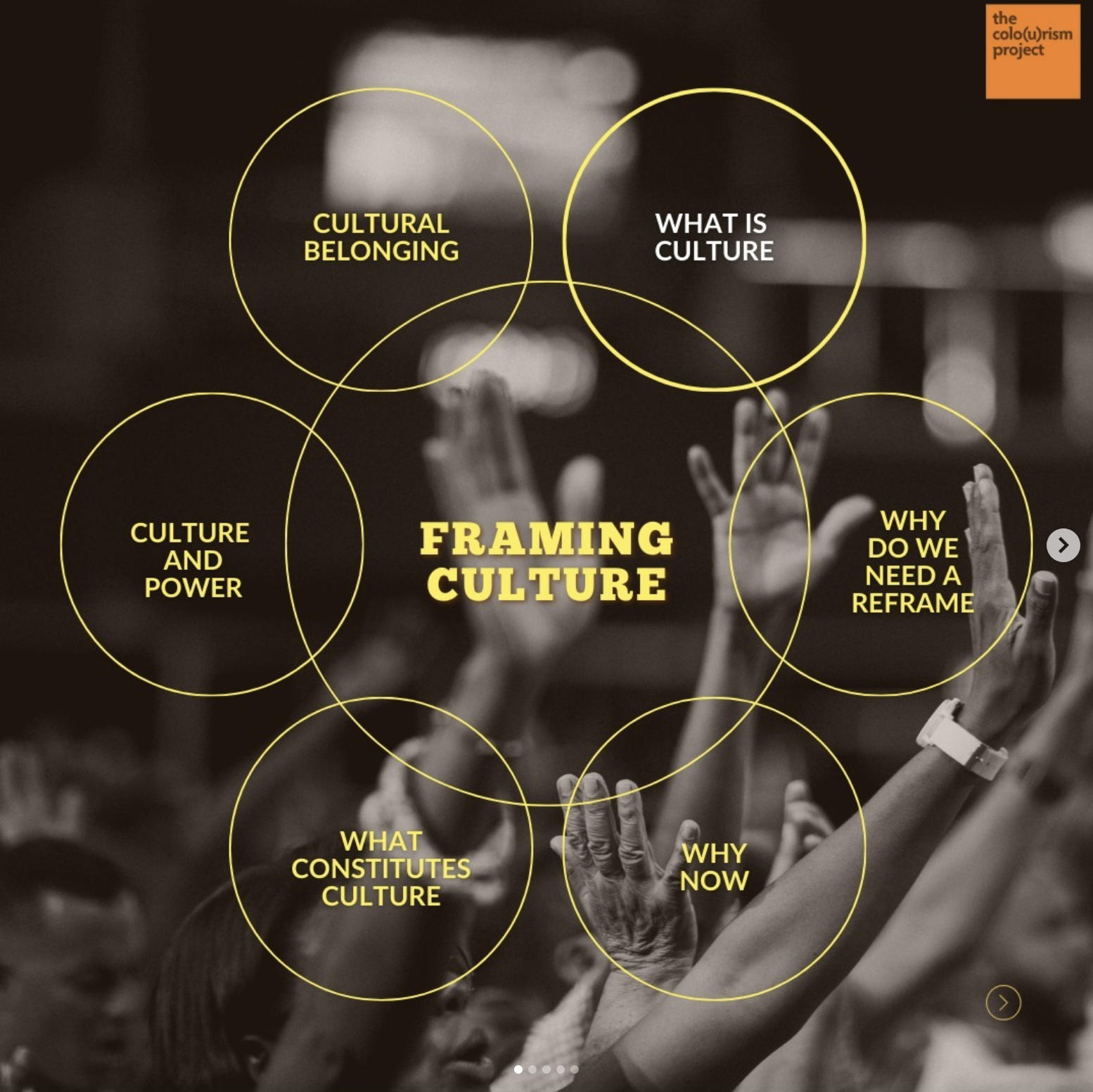
Q: Why do we need to define culture? Aren’t clothing, language, and holidays enough?
A: Yesterday, Nexterday begins with a foundational question: What is culture?
Adult-centered definitions of culture are pervasive. Unless children are placed at the forefront of how culture is understood, meaningful and lasting change remains limited.
Children engage not only with individual and family identity, but also with the shared cultures that emerge in classrooms and public spaces. It invites children to define, question, and create meaning on their own terms—rather than inheriting narrow or dominant representations.
Q: What does participatory mean? What do they make possible beyond traditional instruction?
A: Research and practice show that participatory approaches support deeper learning, stronger retention, self-expression, and relational development.
Rather than relying on predefined categories, Yesterday, Nexterday uses drawing, storytelling, observation, and conversation to help children surface their own interpretations of the world around them. These processes make children’s thinking visible—to themselves, to their peers, and to the adults around them.
Learning shifts from passive absorption to active meaning-making, where children engage not only with ideas of culture, but with how culture is lived, negotiated, and shared.
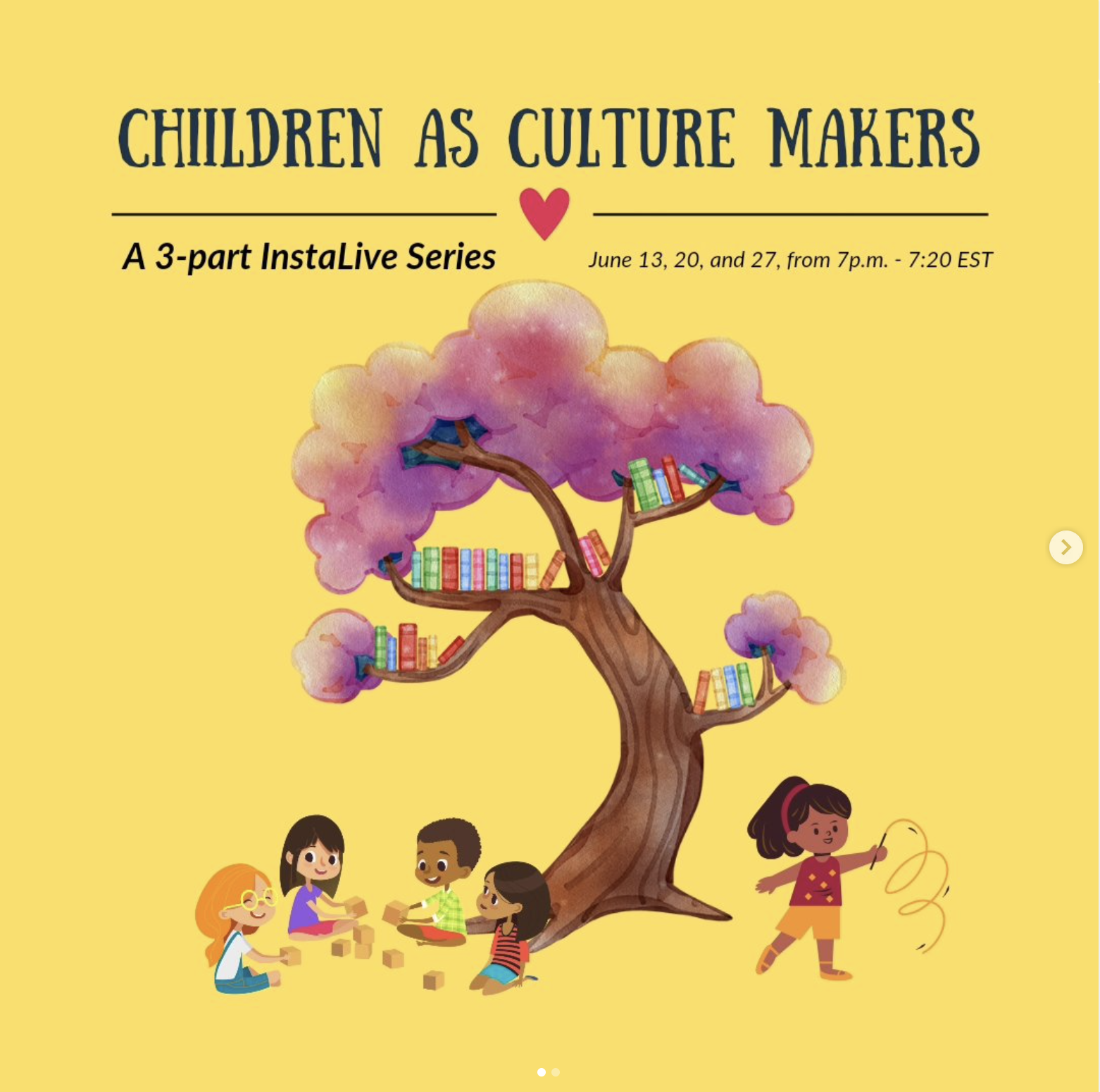
Q: What are the benefits of teaching culture using art and play?
A: Yesterday, Nexterday is grounded in the understanding that learning and well-being are interconnected.
Within this framework, arts-based activities are not supplementary; they are structurally aligned with how children make sense of themselves and others. They create space for reflection, perspective-taking, and expression, linking cultural learning directly to mental well-being.
How children see themselves—and how they are seen—shapes their sense of safety, confidence, and participation in shared environments.